

The KSC Act requires software updates, not blind patching
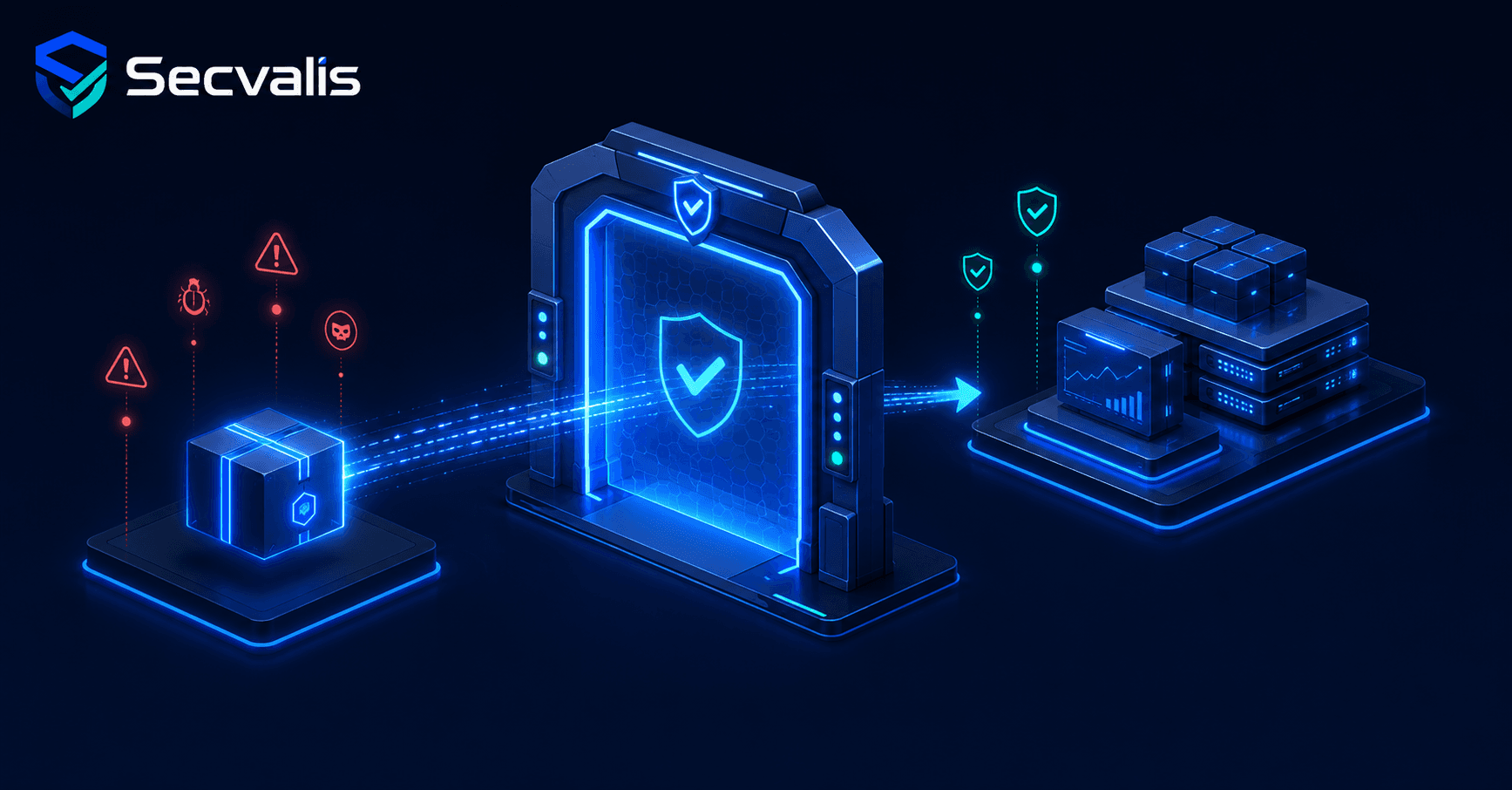
"The law says to patch everything immediately" is a convenient myth. So is "we do not update because a patch may break something". Sound patch management sits between them.
Official KSC materials identify software updating and vulnerability monitoring as parts of risk management. They do not impose one universal SLA or require every update to be installed without testing.
A risk-based decision
Consider confirmed exploitation such as CISA KEV status, severity and predicted exploitation, system exposure and criticality, the available fix or workaround, outage risk, test capability and compensating controls.
The result may be urgent installation, a planned window, isolation, virtual patching, migration or time-boxed risk acceptance. No decision is not a strategy.
Evidence to retain
A deferral should leave an owner, rationale, review date, compensating controls and exit plan. After deployment, retain the date, scope and rescan result. The record then demonstrates the risk-management path, not only the final state.
Secvalis does not deploy patches to servers. It connects scan results with priorities, owners, deadlines, exceptions and history. The administrator still makes and executes the technical change.
To inspect a queue that distinguishes urgent work from a documented exception, open the Secvalis demo.
Sources
Weekly CVE digest
One email a week with newly published vulnerabilities worth knowing about. No account needed.
This digest covers new vulnerabilities in general, not your servers. If you want to know which of them actually run in your infrastructure, that is what Secvalis does: it scans your machines and reports only what concerns them.