

Does Poland's KSC Act require an internal SOC? No, but it requires capability
An internal SOC may sound like the obvious answer to NIS2 and KSC. For a company employing a few dozen people, it may be the most expensive answer to a question the Act does not ask.
The official FAQ explains that the law does not require a Security Operations Center. It does require proportionate risk management, event monitoring, incident detection and timely response.
Capability matters, not the label
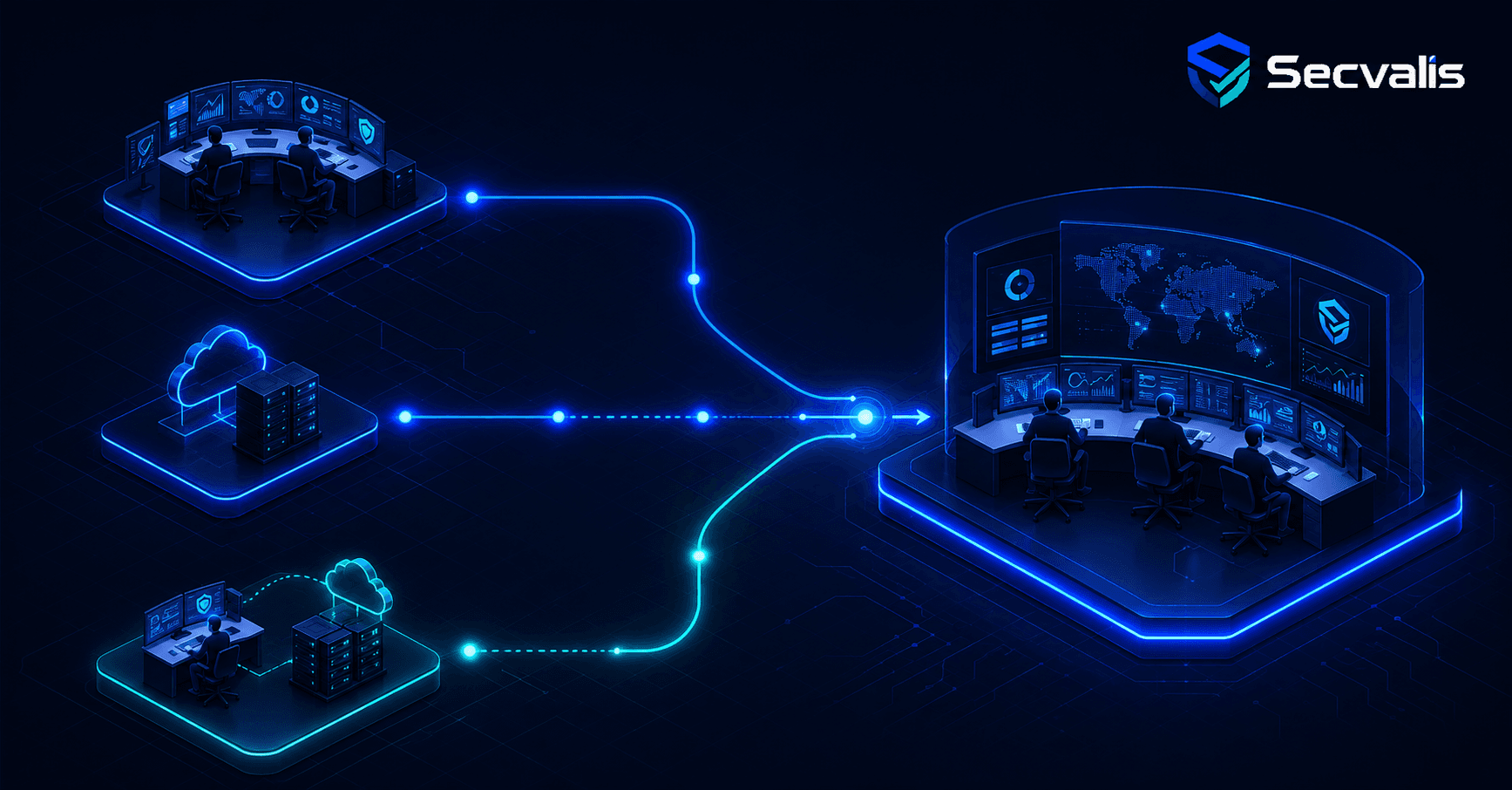
An organisation should know which event sources it monitors, who analyses alerts and when, how an event becomes an incident, who escalates it, how cover is provided and where analysis and decisions are recorded.
These capabilities may be internal, outsourced or hybrid. Outsourcing does not release management from oversight, so the contract should address response times, reporting, evidence access and incident handling when the relationship ends.
A SOC does not replace vulnerability management
Monitoring asks what is happening now. Vulnerability management asks what may be exploited and what was done to reduce the risk. The processes should exchange information, but they are not the same.
Secvalis is not a SIEM or SOC service. It organises technical assets, scan results, priorities, deadlines, exceptions and evidence. That is an intentional product boundary.
If this is the missing layer between your scanner and management reporting, open the Secvalis demo.
Sources
Weekly CVE digest
One email a week with newly published vulnerabilities worth knowing about. No account needed.
This digest covers new vulnerabilities in general, not your servers. If you want to know which of them actually run in your infrastructure, that is what Secvalis does: it scans your machines and reports only what concerns them.